Nigeria’s Aesthetic Medicine Sector: Rapid Growth, Regulation Challenges, and the Push for Better Training

Explore the rapid growth of Nigeria’s aesthetic medicine industry, the urgent need for regulation, and how training initiatives are shaping the future of beauty and healthcare.
Rapid Growth Across Nigeria
Nigeria’s aesthetic medicine industry is growing rapidly.
What was once considered a niche service has become one of the fastest-growing sectors within the country’s beauty and healthcare industries. Across major cities, more clinics now offer aesthetic treatments ranging from injectables and skin therapies to advanced cosmetic procedures.
However, while the sector continues to expand, industry experts are raising concerns about regulation, patient safety, and professional training.
The number of aesthetic medicine clinics in Nigeria has increased significantly in recent years.
According to George Chabtini, Founder of AfroMed International, estimates placed the number of clinics at around 300 to 400 just three years ago. Today, the industry is approaching nearly 1,000 clinics across the country.
This growth reflects increasing demand for aesthetic services among Nigerian consumers. Many people who previously travelled abroad for treatments can now access similar services locally.
As a result, the sector is helping reduce medical tourism while also creating new business and employment opportunities.
Masters of Beauty Conference and the Launch of Unno Institute

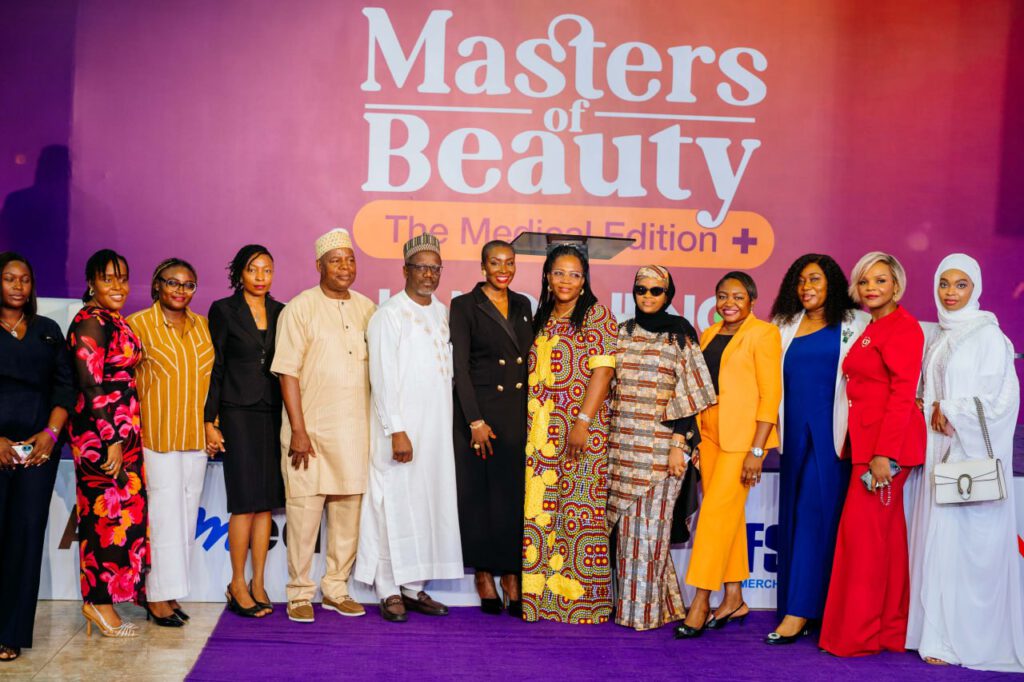
Much of the recent industry conversation followed the second edition of the Masters of Beauty Medical Edition conference in Abuja.
The event, organised by Unno Health Group, brought together aesthetic physicians, dermatologists, plastic surgeons, nurses, dentists, and beauty professionals from across West Africa.
One of the major highlights was the launch of the Unno Institute, a postgraduate training platform focused on aesthetic medicine education and professional development.
The institute aims to:
- Improve practitioner training
- Encourage continuous education
- Build stronger professional standards
- Support collaboration within the industry
Industry leaders also stressed the need for African-centred beauty solutions that better address African skin types, genetics, and environmental realities.
Dr. Hilda Titiloye, Founder and CEO of Unno Health Group, encouraged practitioners to work within their areas of competence while prioritising patient safety and collaboration.
The Industry’s Biggest Challenge: Regulation

Despite its rapid growth, Nigeria’s aesthetic medicine sector still lacks a dedicated regulatory framework.
Currently, oversight is spread across several institutions, including:
- Medical and Dental Council of Nigeria (MDCN)
- National Agency for Food and Drug Administration and Control (NAFDAC)
- Health facility regulators
- Federal Competition and Consumer Protection Commission (FCCPC)
Because regulation remains fragmented, practitioners with very different training backgrounds often operate within the same space.
This includes:
- Medical doctors
- Nurses
- Spa therapists
- Cosmetic technicians
- Beauty practitioners
As the industry expands, this lack of clear structure continues to raise concerns about patient safety and accountability.
Concerns Around Unqualified Practice

Several experts at the conference warned about the growing number of unqualified individuals entering the industry.
In many cases, social media visibility and commercial opportunity have made aesthetic medicine appear easier than it actually is. However, professionals continue to stress that these procedures require proper medical understanding, ethical standards, and technical skill.
Key concerns include:
- Poorly trained practitioners
- Unsafe treatment practices
- Unrealistic beauty expectations online
- Over-commercialisation of procedures
- Increased risk of complications
Dr. Mohammed Bashir Dammalem of NigerMed Skincare Clinic stated that aesthetic medicine must remain grounded in science, ethics, and patient care rather than purely commercial trends.
Why Training Matters

Experts agree that stronger training systems are essential for the future of the industry.
Local educational platforms such as the Unno Institute can help build qualified professionals who understand African patients, local realities, and regional beauty needs more deeply.
In addition, stronger education systems can:
- Improve treatment outcomes
- Increase public trust
- Reduce unsafe practices
- Strengthen professional standards
This is especially important as more consumers continue to seek aesthetic treatments across Nigeria.
The Opportunity Ahead

Despite current challenges, many stakeholders remain optimistic about the future of aesthetic medicine in Nigeria.
The industry has strong growth potential because of:
- Rising consumer demand
- Expanding beauty awareness
- Increased local expertise
- Growing investment interest
- Better access to treatments within Africa
However, long-term success will depend
