The Painted by Esther vs. Patrick Ta Controversy: What It Means for Black Beauty Creators in Africa and Beyond

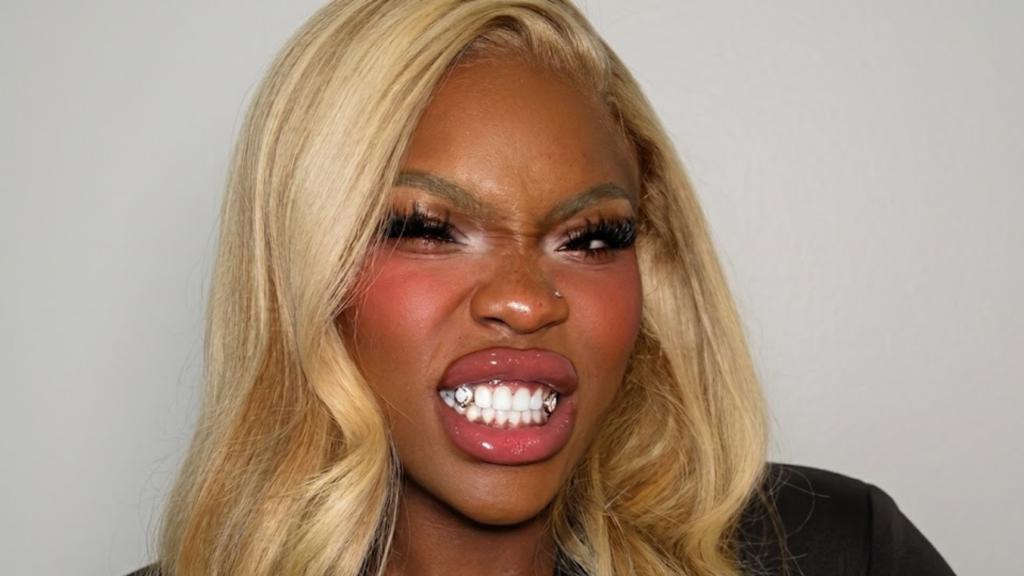
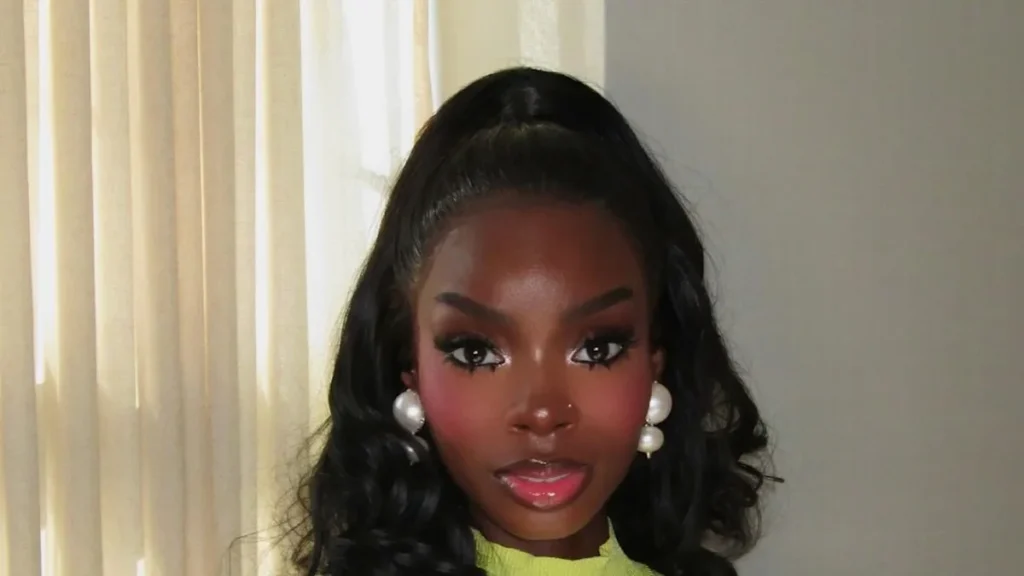
In the fast-moving world of beauty, trends can explode overnight—but the conversation around credit, ownership, and cultural impact often moves just as quickly. That’s exactly what’s happening right now with Nigerian-British makeup artist Ngozi Esther Edeme, better known as Painted by Esther (@paintedbyesther), and celebrity makeup artist Patrick Ta.
For Tadbeauty Africa, this moment hits close to home. As a platform championing African beauty voices, we’re watching a familiar story unfold: Black creators—especially from the continent and diaspora—pioneering techniques that reshape the industry, only to see them repackaged with less acknowledgment.
Who Is Painted by Esther?
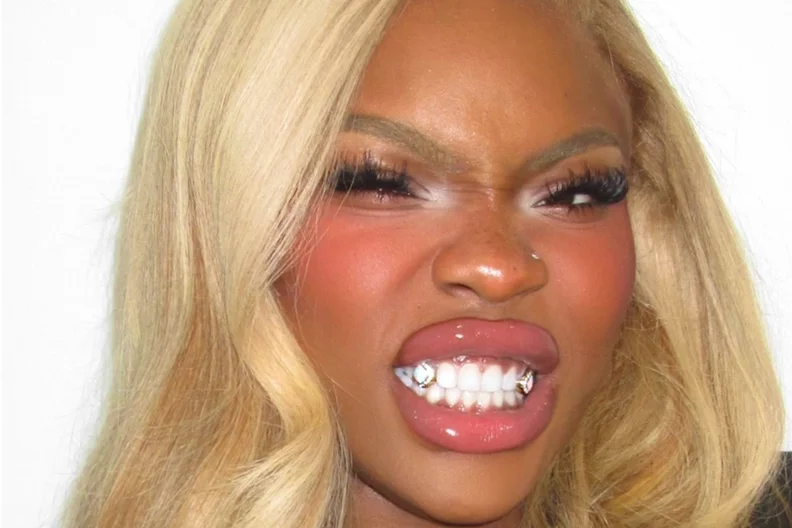
Born in Nigeria and based in London, Esther is a force in celebrity makeup. She’s worked with stars like SZA, Naomi Campbell, Kelly Rowland, and Tyla. Her signature style—bold, vibrant blush placement that creates a soft, radiant gradient from the under-eye area down to the cheeks—has gone massively viral.
She’s long championed colorful makeup on deeper skin tones, pushing back against the idea that bright pinks, corals, and berries don’t suit Black women. Her technique, often called “transition blush” or heavy blush draping, emphasizes layering cream and powder products for a flushed, ethereal glow that flatters melanin-rich skin.
Esther didn’t claim to invent blush (a technique with roots in various traditions), but she refined, popularized, and made it culturally resonant for Black audiences through consistent, high-visibility work on social media and red carpets.
The Spark of Controversy
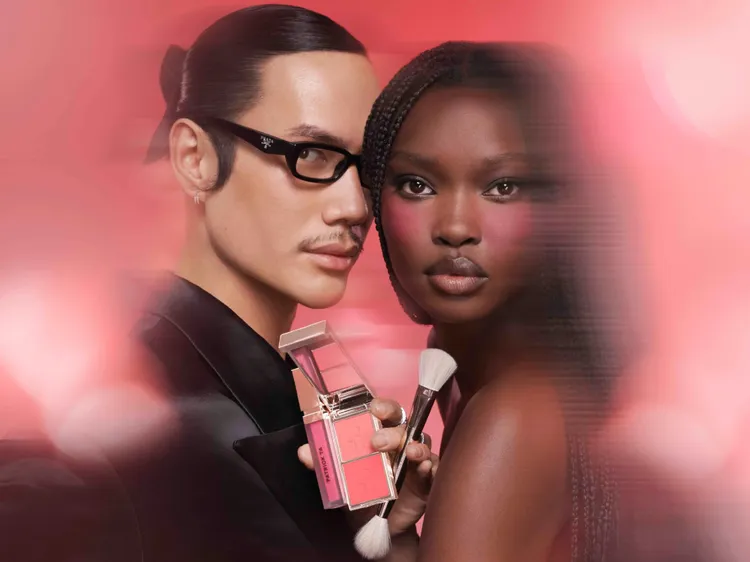
Recently, Patrick Ta launched his Major Headlines Transition Blush collection (creme-to-powder duos and blurring blushes). Many in the beauty community noticed striking similarities in the placement, tutorials, and aesthetic—echoing Esther’s signature look.
Fans quickly called it out, sharing side-by-side comparisons. The backlash intensified when reports surfaced that someone allegedly connected to Patrick Ta’s team had booked a session with Esther in the past. Additional claims (some unverified) about payment issues and discomfort during that interaction fueled the fire.
Patrick Ta responded by saying he’s been developing the concept for over a year, inspired by draping trends dating back to 2021. He expressed “love and respect” for Esther and acknowledged her role in popularizing the look online.
Esther has spoken candidly about the emotional toll—feeling erased in an industry where Black women often have to work twice as hard for the same recognition. She’s emphasized that it’s not about gatekeeping but about proper credit and collaboration.
Why This Matters—Especially for Tadbeauty Africa
This isn’t just drama between two makeup artists. It reflects deeper issues in the global beauty industry:
- Visibility vs. Institutional Power: Independent Black creators build communities and innovate in real time. When bigger brands or names enter the space, they often gain disproportionate credit and profits.
- Cultural Appropriation vs. Inspiration: Techniques rooted in or popularized by Black and African aesthetics frequently get mainstream validation only after being filtered through Western or non-Black platforms.
- The African Voice: As a Nigerian talent, Esther represents the excellence coming out of Africa and its diaspora. Her success inspires young makeup artists across the continent—from Lagos to Nairobi to Johannesburg—who are creating without massive funding or mainstream backing.
At Tadbeauty Africa, we believe in amplifying these stories. Bold blush on dark skin isn’t new in African beauty traditions, but Esther’s modern take has given it global spotlight. Supporting creators like her means demanding better—collab opportunities, fair credit, and genuine partnerships instead of extraction.
The Bigger Picture: Moving Forward
Many in the community have called for a collaboration rather than competition. Others highlight that no one owns makeup techniques entirely, but ethics around acknowledgment matter. Jackie Aina and others have weighed in, sparking broader talks on hypocrisy and industry standards.
For aspiring artists and beauty lovers in Africa: Keep creating unapologetically. Document your process. Build your community. The internet has proven that authentic voices rise—even against bigger platforms.
What do you think? Is this clear inspiration, or should there be more accountability? Drop your thoughts in the comments.
At Tadbeauty Africa, we celebrate every shade, every innovator, and every story that pushes beauty forward. Follow us for more on African beauty movements, creator spotlights, and honest industry conversations.
Stay painted, stay proud. 💖
This post is for informational and community discussion purposes. Beauty trends evolve through shared inspiration—credit and respect keep the industry beautiful.
