The State of the African Beauty Industry in 2026: Growth, Gaps, and Opportunity

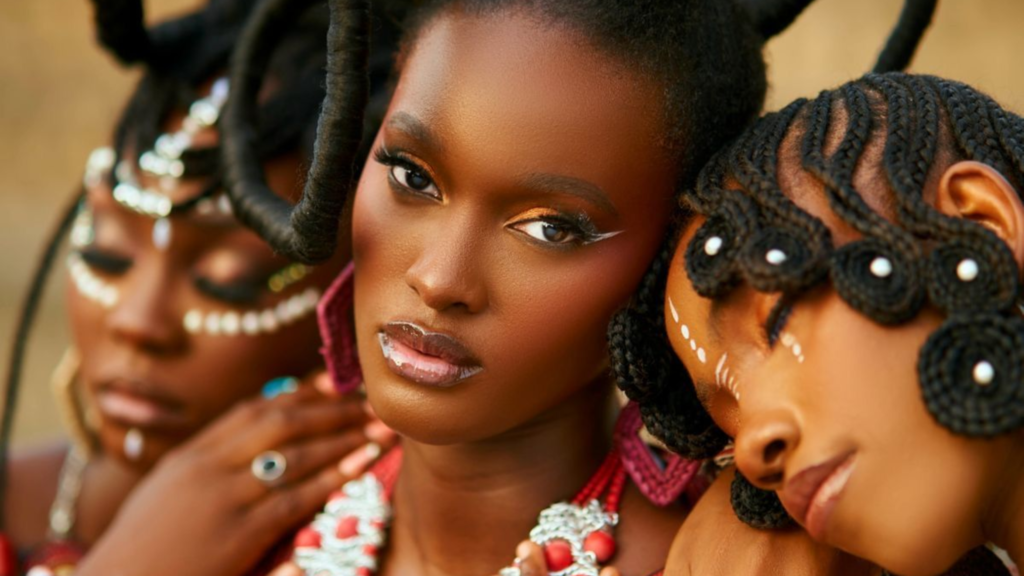
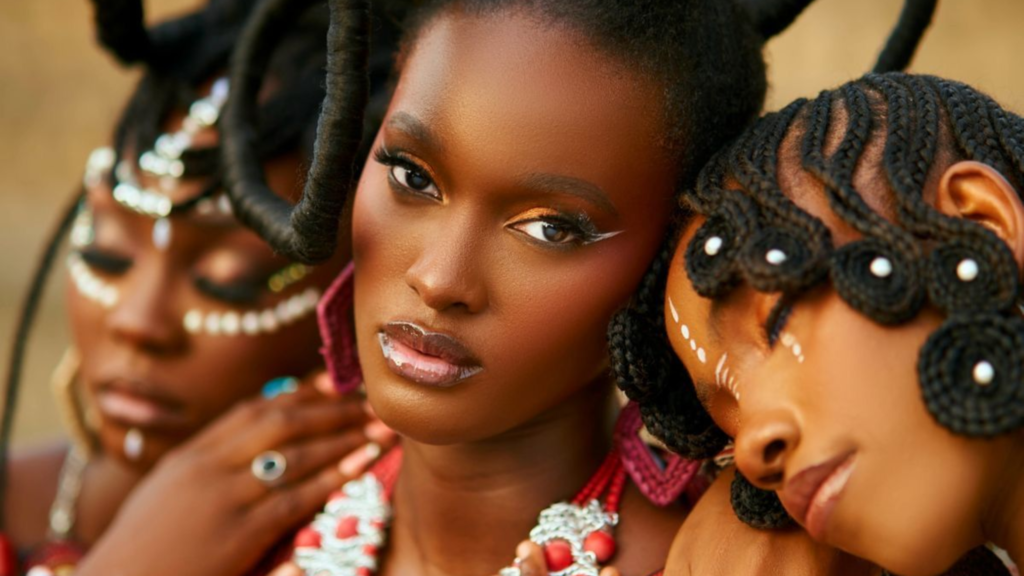
Explore the African beauty industry in 2026, including growth trends, market gaps, and opportunities shaping the future of beauty across Africa.
The African beauty industry is growing fast. However, its structure is still forming.
Over the last decade, more brands have entered the market. Independent founders are building products for African consumers. At the same time, global interest in African beauty ingredients and aesthetics continues to rise.
Even so, growth has not been evenly distributed.
A Growing Market with Uneven Visibility
Beauty markets in cities like Lagos, Accra, Nairobi, and Johannesburg continue to expand. Consumers are also shifting toward locally made products, especially in skincare and haircare.
However, many brands still struggle to gain visibility. Distribution systems remain limited. Media coverage is inconsistent.
As a result, innovation often grows faster than recognition.
This is one of the key gaps in the industry today.
The Rise of African Beauty Brands
New African beauty brands are entering the market with clearer identity and stronger positioning. Many of them now compete in global conversations around clean beauty, natural ingredients, and skin inclusivity.
However, challenges remain.
Many founders still face barriers in funding, manufacturing, and scaling distribution. Demand is increasing, but supply systems are still developing.
Ingredients as Economic Power
African ingredients like shea butter, hibiscus, moringa, and black soap are gaining global attention.
International brands now use these ingredients in their products. However, value does not always return to the communities that produce them.
At the same time, local brands are starting to reclaim this space. They are building products that centre African ingredients from origin to formulation.
You can explore more in our Ingredient Index:
https://tadbeautyafrica.com/ingredient-index
The People Driving the Industry
The industry is not only built on brands. It is also built on people.
Aestheticians, hairstylists, makeup artists, and product formulators play a key role in shaping beauty culture across Africa.
Their work influences trends, consumer trust, and product adoption. Yet many of them still operate outside formal industry systems.
The Main Challenge: Structure
The biggest challenge in the African beauty industry is not creativity.
It is structure.
Distribution is uneven. Regulation varies across regions. Funding is limited. Industry data is also fragmented.
Because of this, many businesses struggle to scale even when demand exists.
The Opportunity Ahead
Despite these challenges, the opportunity remains strong.
The African beauty industry has:
- A young and growing consumer base
- Strong cultural identity in beauty practices
- Rising global demand for African ingredients
- A new generation of founders building intentionally
However, growth will depend on better systems, stronger documentation, and more access to capital.
Final Perspective
The African beauty industry is not new.
It is evolving.
What changes now is how it is documented, supported, and scaled.
At TAD, we continue to track this evolution closely. We document the people, systems, and ideas shaping the future of African beauty.
This is not just an overview.
It is a record of an industry in motion.