Shea Butter in African Beauty: Inside the Harvesting Process and Skin Care Uses

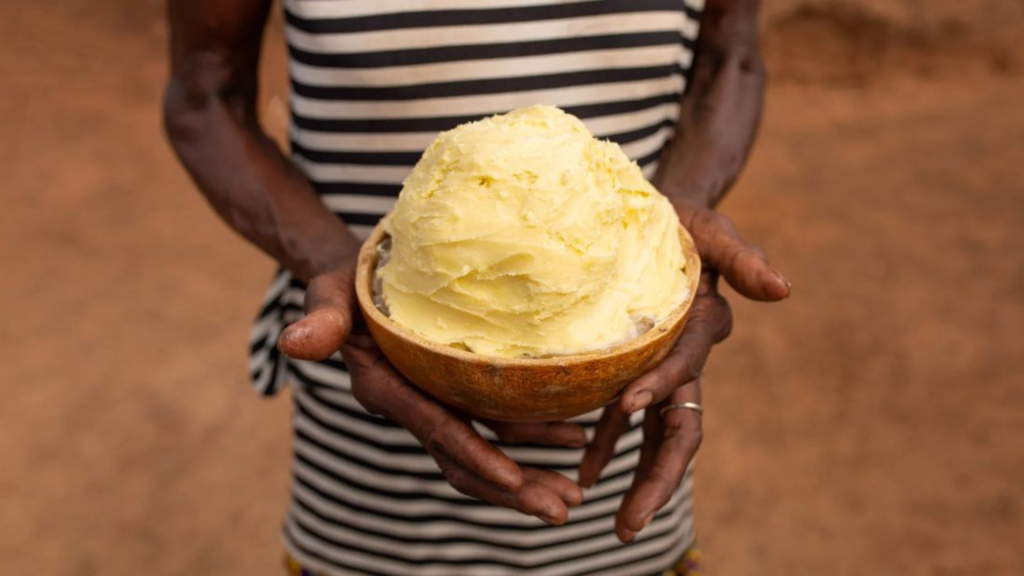
Discover the journey of shea butter from harvest to skin. Explore its cultural roots, traditional processing, and role in African beauty practices across generations.
Shea butter is one of the most important ingredients in African beauty culture. Long before it appeared in global skincare products, it was already part of everyday life across West Africa.
It begins with the shea tree, which grows naturally across regions such as Ghana, Nigeria, and Burkina Faso. When the fruits ripen and fall to the ground, communities collect them carefully to begin the traditional process of extraction.
After harvesting, the nuts are boiled and dried. They are then cracked open, ground into a paste, and slowly churned into butter. This process requires time, skill, and patience, and it has been refined by women across generations.
Because of this, shea butter is not just an ingredient. It is a cultural practice that reflects knowledge passed through families and communities. It also plays an essential role in skincare routines, especially in dry climates where it is used for protection and healing.
Today, shea butter is widely used in modern skincare formulations. You can find it in moisturisers, body butters, lip balms, and hair products around the world. However, many consumers are unaware of its origin or the communities that have preserved its production methods for centuries.
For more context on traditional African skincare practices, explore our Culture and Heritage section:
https://yourtad.com/culture-and-heritage
You can also learn more about related ingredients in our Ingredient Index:
https://yourtad.com/ingredient-index
As shea continues to grow in global demand, it is important to recognise both its cultural and economic significance. On one hand, it represents deep-rooted African knowledge systems. On the other hand, it has become a major export commodity that supports livelihoods across rural communities.
However, challenges remain in how value is distributed along the supply chain. Many of the communities who produce shea still sit at the lowest earning point of the global beauty economy.
At TAD, we document not only the ingredient itself but also the people and systems behind it. This helps preserve the story while also creating awareness of its importance in the global beauty industry.
External reference for further reading on shea production:
https://www.fao.org (Food and Agriculture Organization of the United Nations)
The journey of shea is therefore more than skincare. It is history, economy, and culture shaped into something that touches the skin.
And importantly, it is still evolving today.