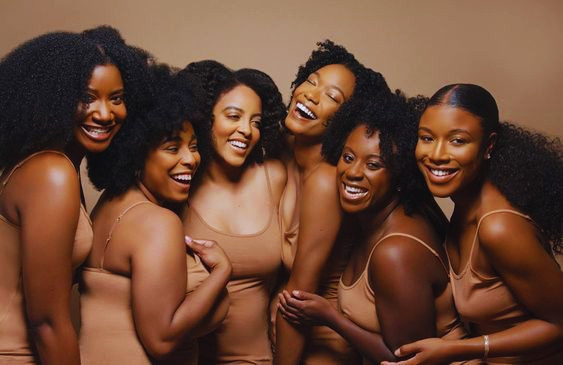
Is Your Favorite Skincare Brand Harming Your Health? The Urgent Need for Ethical Beauty Across Africa


In an era where consumers are more informed and discerning than ever, the beauty industry stands at a critical crossroads. Across Africa and globally, there is a growing call for products that not only enhance appearance but are produced with the utmost regard for human health, safety, and environmental sustainability. At Tad Beauty Africa, we believe this shift is not just a trend. It is a fundamental evolution driven by greater awareness of ingredient impacts and a desire for brands that align with ethical values.
The Global Push for Cleaner, Safer Beauty
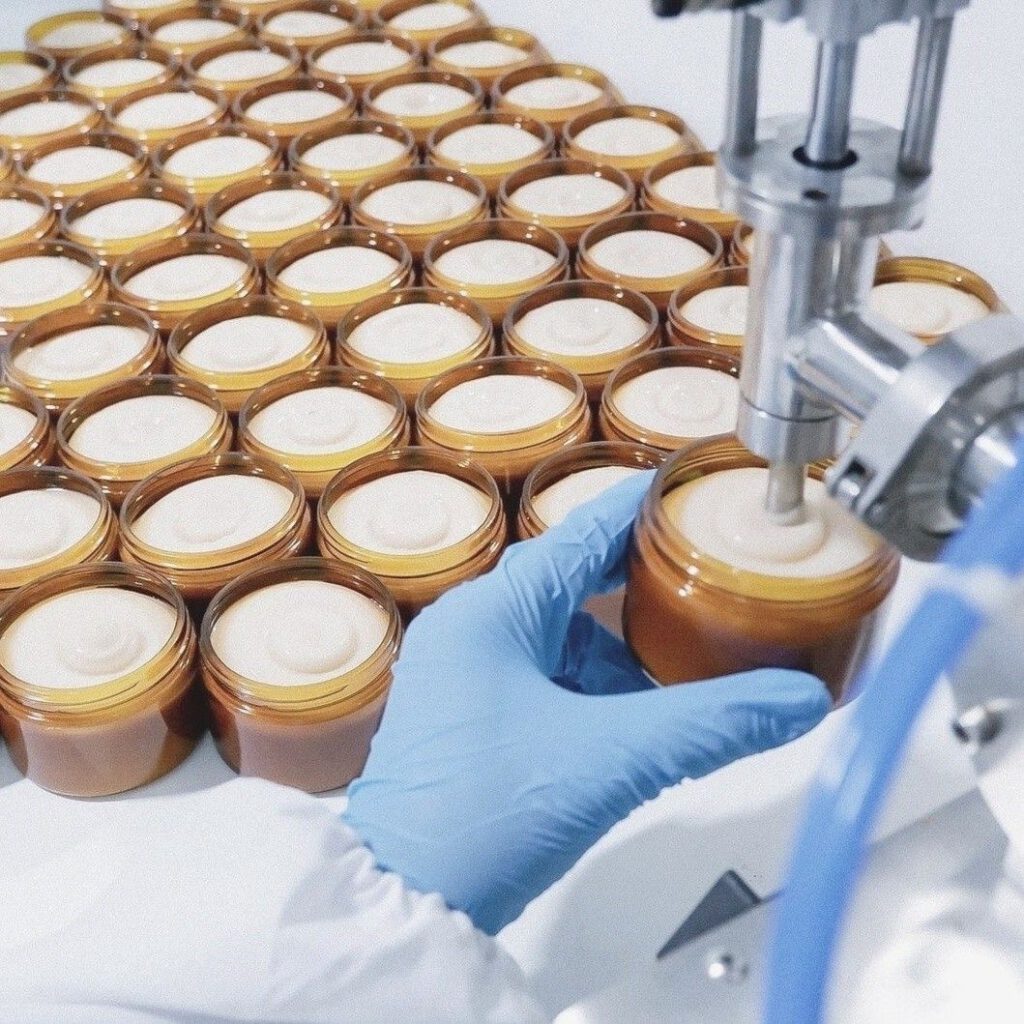
The skincare and beauty market is booming, with projections showing significant growth fueled by demand for “clean” and sustainable options. Consumers worldwide are prioritizing formulations free from harmful chemicals, backed by transparent sourcing and rigorous testing. This includes a focus on natural and botanical ingredients, eco-friendly packaging, and ethical practices that minimize environmental harm.
In Africa, this movement resonates deeply. Our diverse skin types, climates, and cultural beauty traditions deserve solutions that celebrate and protect rather than compromise health. Ethical production means going beyond marketing claims to ensure products are safe for long-term use, especially on sensitive skin common in various African communities.
Lessons from Recent Industry Challenges: The CeraVe Case
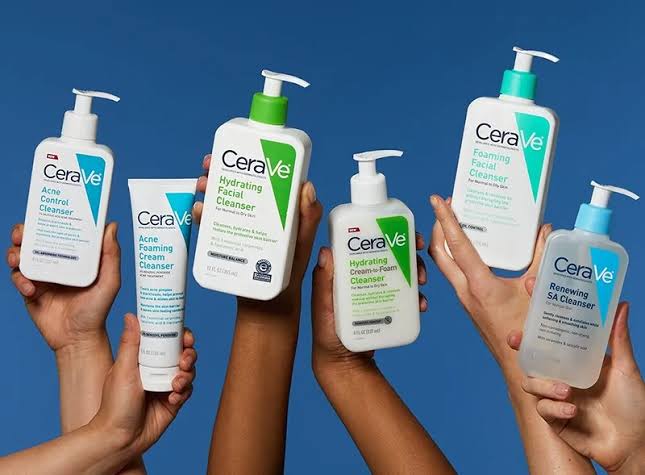
Recent developments highlight why vigilance is essential. Major brands, including CeraVe (owned by L’Oréal), have faced class action lawsuits alleging that certain acne treatments containing benzoyl peroxide may develop elevated levels of benzene, a known carcinogen, under specific storage or formulation conditions. These lawsuits, reportedly involving multiple products, underscore potential risks when ingredients interact or degrade over time.
Important note: These are ongoing legal matters and allegations based on independent testing (such as by Valisure). Outcomes can vary, and regulatory bodies like the FDA continue to evaluate such issues. This situation serves as a broader industry reminder rather than a definitive judgment on any single product. It illustrates how even established players can encounter scrutiny when safety standards or stability testing fall short in the eyes of consumers and litigators.
Such incidents amplify consumer skepticism and accelerate the demand for better practices. They remind us that health and safety cannot be afterthoughts. They must be foundational.
A Call to African Beauty Founders: Elevate Standards Now
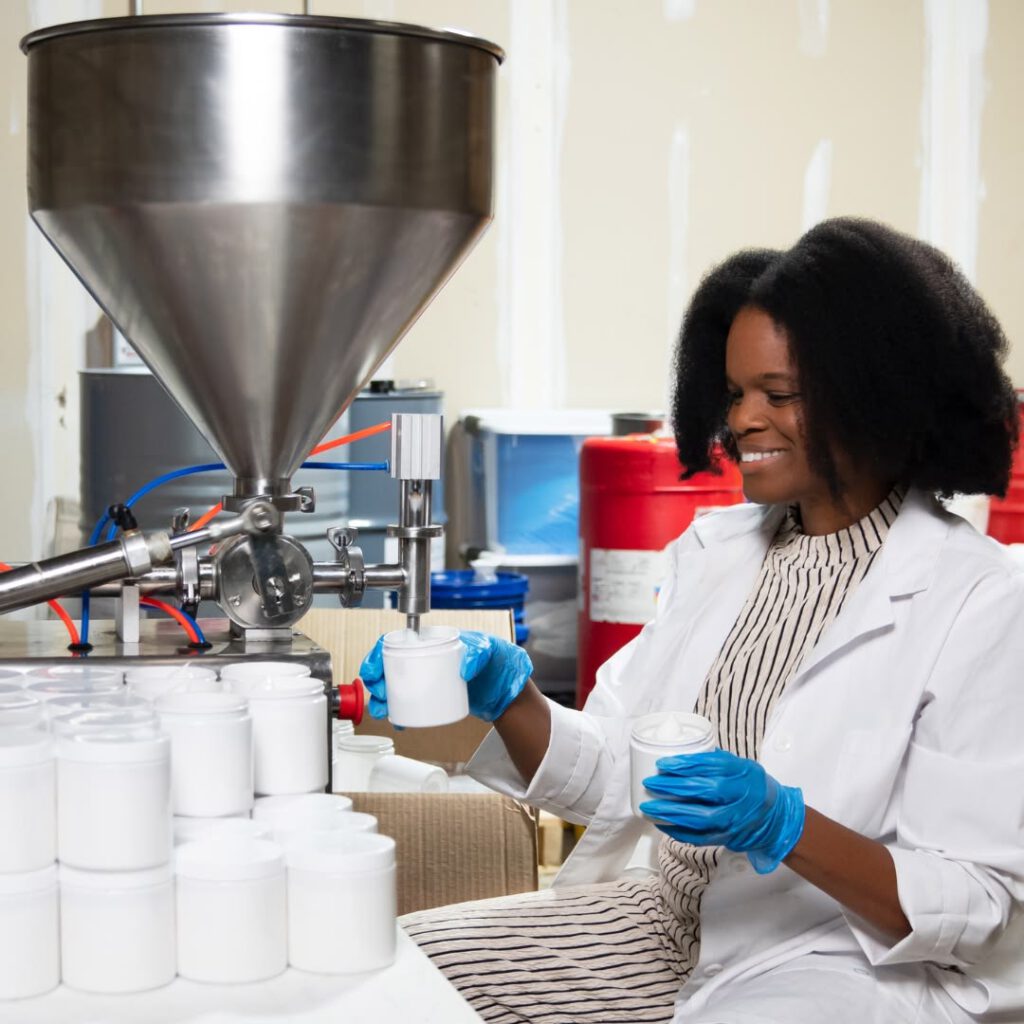
To African beauty entrepreneurs and founders building the next generation of brands: this is your moment to lead with integrity. The continent’s rising middle class and diaspora demand excellence, and global scrutiny means shortcuts in formulation or R&D could harm both users and your business long-term.
Tighten Research and Development (R&D): Invest in robust testing protocols that go beyond minimum regulatory requirements. Collaborate with dermatologists, toxicologists, and local labs to understand how ingredients perform in African climates (heat, humidity) and on diverse skin tones. Prioritize stability testing to prevent degradation issues like those seen in some benzoyl peroxide products.
Enhance Product Quality and Formulation: Adopt “clean beauty” principles, favoring safer, naturally derived alternatives where possible, while ensuring efficacy through evidence-based science. Avoid or carefully manage potentially volatile ingredients. Focus on transparency: list full ingredients clearly, share sourcing details, and provide patch-testing guidance.
Behind-the-Scenes Best Practices (Global Standards Adapted for Africa):
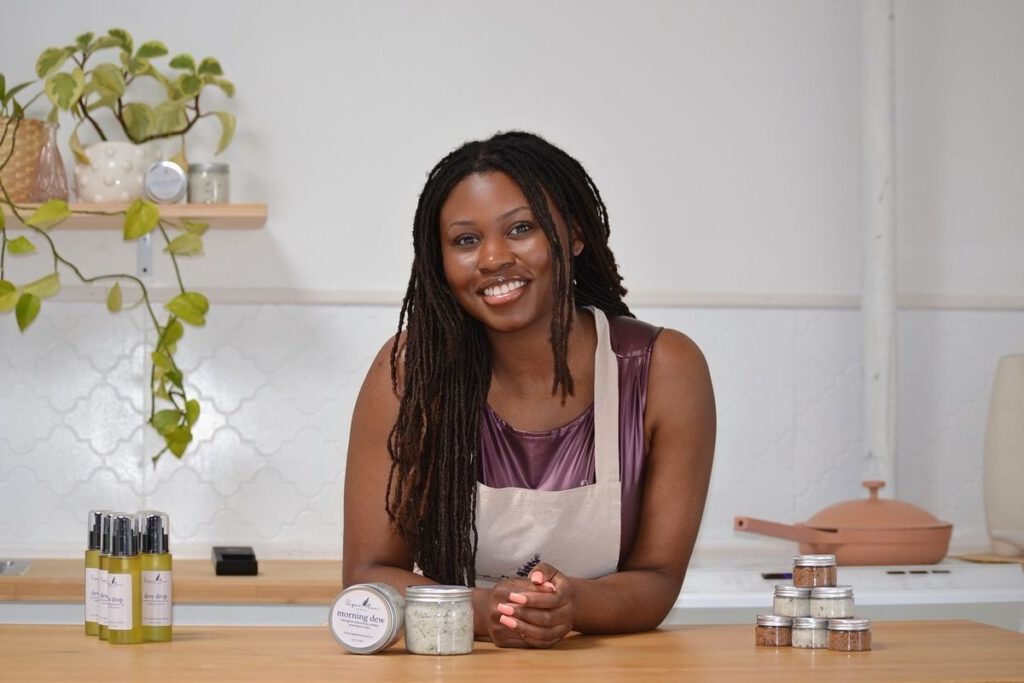
• Ingredient Sourcing and Traceability: Partner with ethical suppliers. Use certifications like those for organic, fair-trade, or cruelty-free where applicable. Document supply chains to build trust.
• Rigorous Safety Testing: Conduct comprehensive toxicology, stability, and clinical trials. Consider third-party verification for claims.
• Sustainable Manufacturing: Minimize waste, use recyclable packaging, and reduce water/energy use. In Africa, leverage local botanicals (e.g., shea, baobab, moringa) responsibly to support communities and biodiversity.
• Transparency and Education: Share your process via blogs, videos, or labels. Educate consumers on why certain choices were made, for example, avoiding certain preservatives while ensuring shelf stability.
• Regulatory Compliance and Beyond: Stay ahead of evolving laws (inspired by frameworks like the EU’s or U.S. MoCRA updates). Engage with bodies like Africa’s regulatory authorities to shape standards.
• Community and Ethical Labor: Ensure fair wages and safe working conditions in your operations and supply chain.
By embedding these into your operations, you not only mitigate risks but position your brand as a leader in a competitive, value-driven market.
Tad Beauty Africa’s Commitment
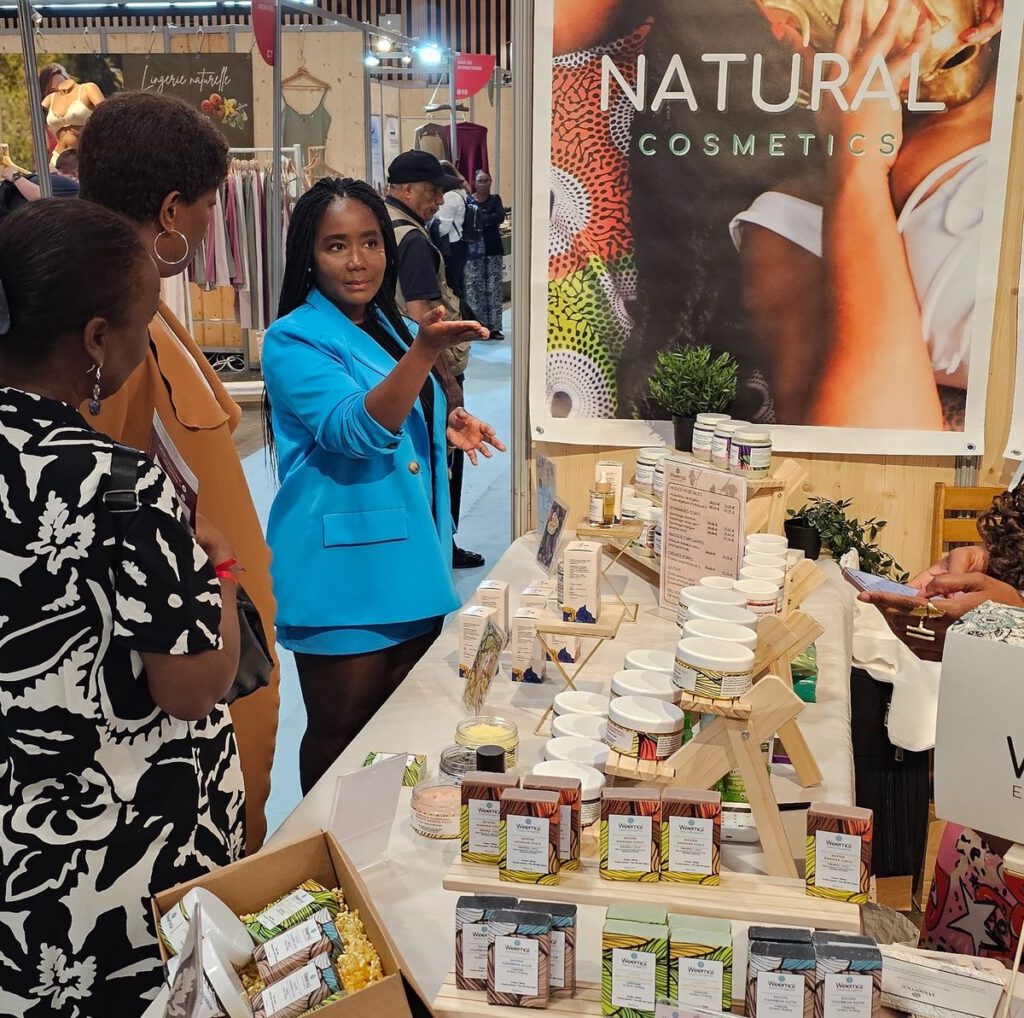
At Tad Beauty Africa, we are dedicated to this higher standard through our marketplace. We carefully curate and feature African-made and Black-owned brands that prioritize health-first ingredients, rigorous safety protocols, transparent processes, and ethical practices. By showcasing these brands, we connect conscious consumers with products they can trust, drawn from Africa’s rich natural heritage while meeting stringent benchmarks.
The beauty industry’s future belongs to those who put people and planet first. As consumers vote with their wallets for ethics and efficacy, African brands have the opportunity to set a shining example globally.
What are your thoughts on ethical beauty? Share in the comments. What ingredients or practices matter most to you? Stay tuned for more insights from Tad Beauty Africa as we navigate and shape this evolving landscape.
Disclaimer: This post is for informational purposes. Always consult healthcare professionals for skin concerns and read product labels carefully. Lawsuits mentioned are public matters; we do not endorse specific legal claims.